
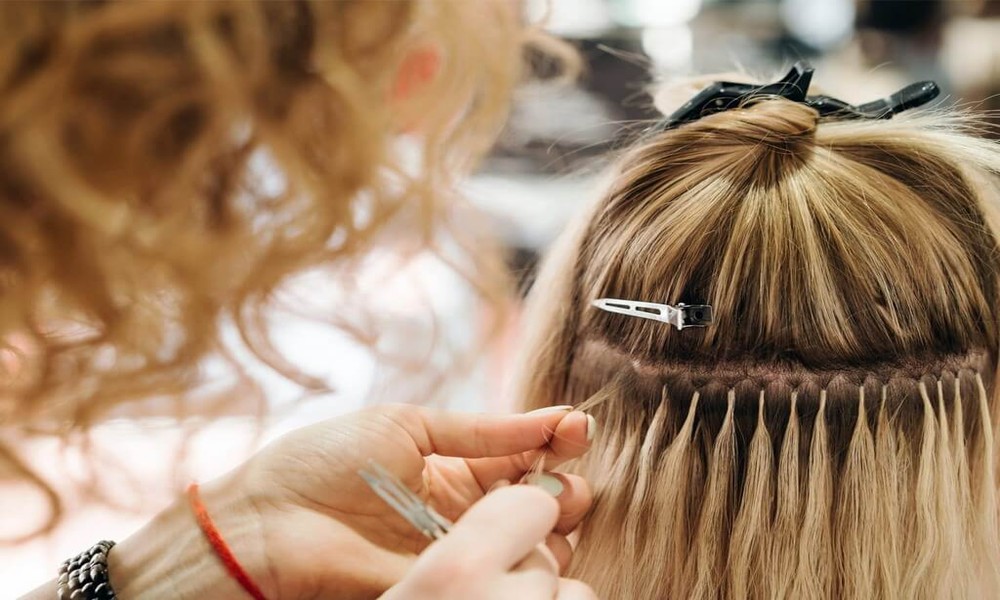
It is important to remember that hair extensions have become one of the most popular beauty services for adding volume, length, dimensions and fullness to your natural hair. Modern extension methods come with wide array of options specifically created for various hair types, budgets, lifestyles, and styling goals.
Some extensions are for temporary use, while others are for long-term wear, but you need a professional maintenance. The main idea is to understand the different types of hair extensions, which can help people, choose the method that fits best for your hair condition and requirements.
Each extension option comes with its own benefits, installation process, maintenance requirement and durability levels. By clicking here, you will learn more about this particular topic. In further article, we will talk about different types of hair extensions to ensure the best course of action.
Clip-in Hair Extensions
Clip-in extensions are one of the simplest and basic extension options you can find on the market. They come in wefts you can ensure with small clips attached, meaning you can install and remove them at home by yourself. You do not need professional maintenance and installation.
General benefit of clip-in extensions include minimal damage risks, no long-term commitment, quick installation, simple to remove, perfect for occasional use. They are popular for special events, photoshoots and people who wish to add length or volume without permanent attachment.
Since they are temporary, they are not designed for continual daily wear. At the same time, lousy placement or excessive tension can lead to discomfort and damage your natural hair, which is vital to remember.
Tape-In Heat Extensions
Tape-in extensions use thin adhesive strips to help you attach them to your scalp. The main idea is placing natural hair between two adhesive sections, which will provide you with lightweight and flat results.
As a result, you will receive natural appearance, lightweight feel, and perfect for fine hair, fast installation, comfortable for most users and you can blend it smoothly and lay flatter than other extension methods.
Tape-in extensions require regular maintenance appointments because the adhesive sections move as natural hair will grow. Certain hair products and oils may weaken the adhesive after a while. Check out this website: https://www.dailymotion.com/video/xa5p1fw to understand a few things about hair extensions.
Weave or Sew-In Extensions
Sew-in extensions, which are also known as weaves, include braiding the natural hair into cornrows combined with sewing extensions onto the thread. You will get long-lasting wear, secure hold, perfectly suitable for thick hair, and perfect for protective styling.
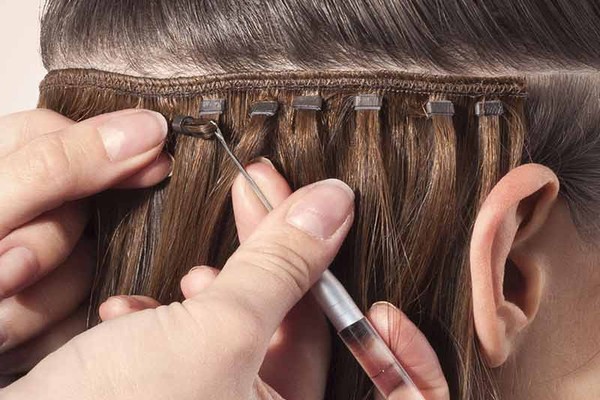
This method is specifically perfect for coarse and textured hair types. Sew-ins may feel heavy if you add too much hair, meaning the lousy installation can create scalp tension. We recommend you to find a professional who will install it properly, while regular maintenance is essential for the process.
Fusion Hair Extensions
You should know that fusion extension attach small sections of extension hair by using keratin bonds combined with heating equipment, meaning you will ensure your natural strands get natural movement.
The best thing about them is flexible styling options, long-lasting results, and individual strand placements. Fusion methods are specifically chosen for highly customized movement and blending.
Since bonding agent combines with heat, installation takes longer than other methods, which is vital to remember. If you wish to remove it, we recommend you to find a professional for the process.
Micro Link Extensions
Micro link extensions are known as micro loop or bead extensions. You will use tiny beads with an idea to attach extension strands to natural hair without heat or glue. The best thing about micro link extensions is the chance to avoid adhesive for the process. At the same time, you will ensure natural movement, reusable hair, and flexibility.
The lack of glue is highly appealing to most people that wish to get low-maintenance attachment systems. Lousy installation can affect your natural hair appearance altogether. Maintenance appointments are necessary as they may move downward as your hair grows, which is vital to remember.
Hand-Tied Extensions
As the name suggest, hand-tied extensions are taking advantage of wefts that you should sew onto bead-supported rows that are created throughout the process. Generally, they are lightweight, natural and come with flexible color customization options.
They are specifically praised due to ability to provide you natural appearance and overall softness compared with other options. Since they are thinner, installation requires precision and skill. Overloading fine hair with too many wefts may lead to tension.
NBR or Natural Beaded Rows
Finally, the best option you can find regarding Hair Extensions are natural beaded rows, which feature specialized weft extensions designed to prioritize comfort, natural blending and weight distribution. They will offer you minimal bulk, soft, natural appearance, lack of glue and tape, comfortable for long-term wear and highly customizable.
NBR are widely recognized for people who wish to get natural-looking and dimensional volume. The methods require professional care and maintenance by trained professionals. The proper tension and placement is crucial for ensuring the overall protection.