
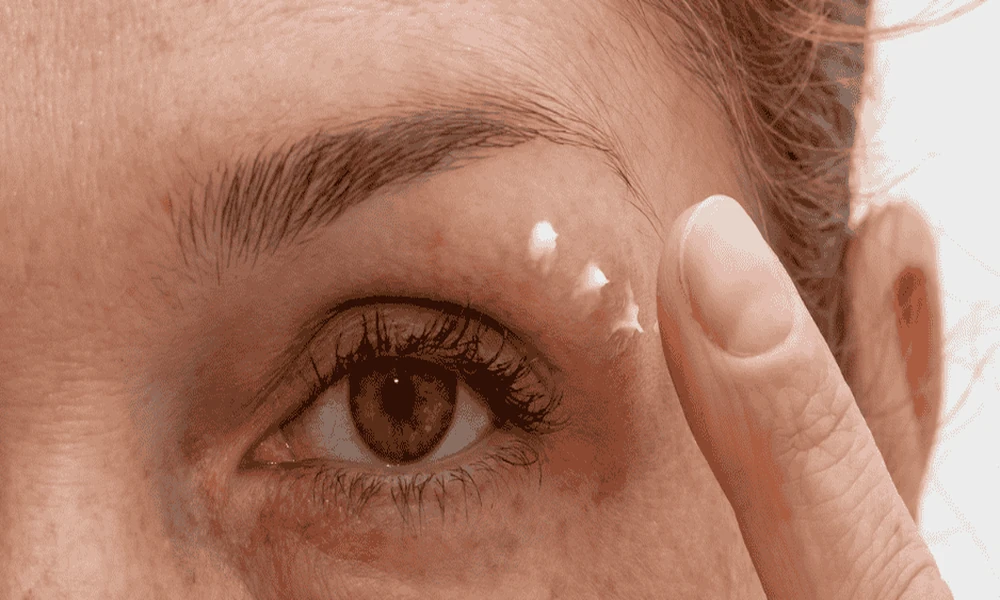
Eyelid skin is roughly four times thinner than facial skin. That single fact reshapes every product decision around the eyes. A cream calming cheek flares can sting delicate lids. Fragrance and potent actives behave differently on this narrow strip. Relief often begins with simple barrier care. A plain eye ointment for itchy eyelids brings calm to flaking. Choosing wisely, though, requires knowing why this zone overreacts. Barrier thickness, allergens, steroid limits and cleansing habits all matter. Each one also connects to long-term eye health.
Thin Eyelid Skin Changes the Rules
Eyelid tissue has many blood vessels but little protective fat. Water escapes faster, so dryness shows up early. Irritants also cross this layer with surprising ease. Compare paper towel and cardboard under spilled coffee. Eyelids behave like the towel against everyday ingredients. Blinking adds strain, flexing inflamed skin thousands of times daily.
Which Hidden Triggers Reach the Eyelids First?
Allergic contact dermatitis drives a large share of cases. Culprits often never touch the lids directly:
- Nail polish transfers when fingers rub tired eyes.
- Hair dye drips toward the brow during rinsing.
- Essential oils in face serums migrate upward overnight.
- Fragranced cleansers leave residue along the lashes.
- Pillowcases hold detergent perfume against closed lids.
Steroid Creams Demand Short, Careful Courses
Only mild hydrocortisone strengths suit this area in most plans. Longer use risks atrophy, leaving lids crinkled and fragile. Dermatologists may limit applications to a few days. Persistent flares may suit non-steroidal options like tacrolimus. These avoid thinning but can heighten sun sensitivity. Sunglasses then become part of treatment.
Why Do Ointments Outperform Lightweight Facial Lotions?
Water-heavy lotions evaporate fast and often carry preservatives. Ointments rest on the surface, trapping moisture under a film. A fragrance-free eye ointment for itchy eyelids seals the barrier overnight. Petrolatum-based formulas rarely sensitize reactive skin. Labels marked dye-free and ophthalmologist-tested add reassurance. A rice-grain amount covers both lids.
Cleansing Habits Shape Lid Recovery Speed
Gentle routines prevent fresh irritation between flares. Small adjustments make a measurable difference:
- Rinse lids with lukewarm water.
- Pat skin dry, never rub.
- Remove makeup with plain micellar water.
- Keep soap away from the lashes.
- Apply warm compresses for blocked glands.
Can Untreated Lid Eczema Affect Eye Health?
Yes, and the risks extend beyond appearance. Constant rubbing creates tiny tears that invite infection. Conjunctivitis and keratitis show up more in severe cases. Chronic rubbing is linked with keratoconus, a corneal reshaping. People with eczema also face higher cataract risk. Swelling that blocks vision needs emergency care.
Treating the Thinnest Skin Starts Elsewhere
Eyelid eczema often begins at the fingertips. Nail polish and hair dye reach lids through touch. Lid care, then, may begin at the hands. A patch test can expose that hidden chain. Soothing swollen skin alone treats only the final link. Lasting relief traces each product back, pillowcase to polish bottle.
FAQs
Can a regular face moisturizer go on eyelid eczema?
Only fragrance-free formulas with minimal preservatives suit lid skin. Ingredients like ceramides or hyaluronic acid rebuild the barrier. Patch any new product on the inner arm first.
How quickly does an eyelid eczema flare settle?
Irritant-driven flares can clear quickly once the trigger stops. Allergic cases linger longer, especially with hidden exposure. Recurring episodes may need patch testing by an allergist or dermatologist.
Is eye makeup safe during an active flare?
Pausing all makeup gives inflamed skin space to recover. On returning, pick fragrance-free formulas and replace old mascara. Nail polish wearers should avoid touching their eyes entirely.
When should eyelid eczema prompt a dermatology visit?
Weeping skin or crusted lashes warrant prompt professional assessment. Lid-only flares can also signal a testable allergy. Persistent rubbing deserves attention before corneal problems develop.